
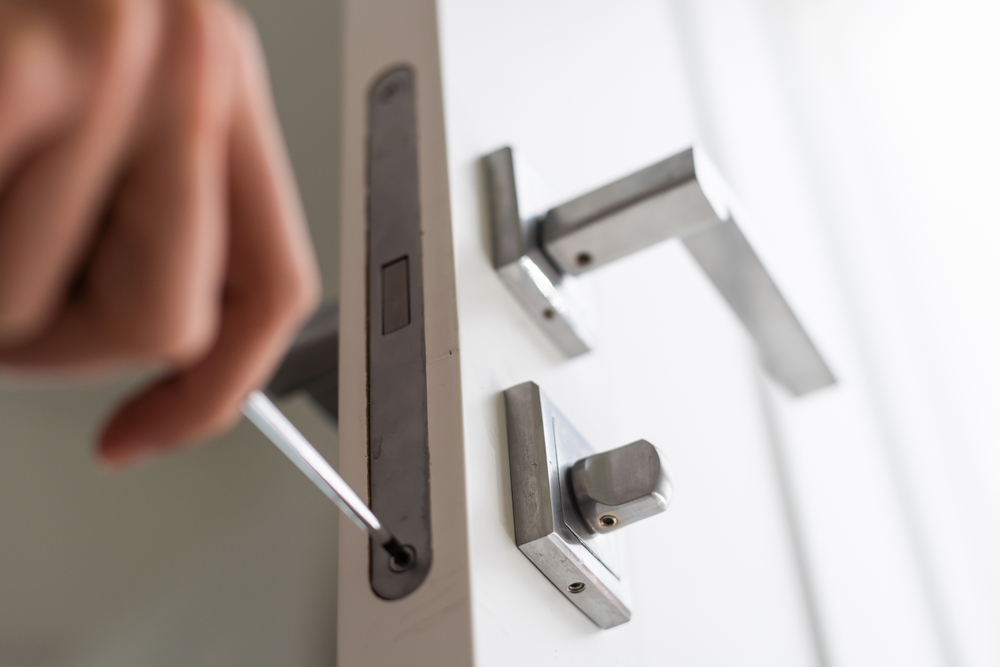
Getting locked out, dealing with a key that will not turn, or discovering a damaged commercial lock can disrupt an entire day. In Haverhill and Chelmsford, the mix of older homes, newer developments, storefronts, offices, and busy travel corridors creates a wide range of locksmith needs for local property owners.
A locksmith can help with more than getting through a locked door. Depending on the situation, professional locksmith service may include emergency lockout assistance, lock repair and replacement, rekeying, key-related services, and security solutions for homes and commercial properties. The right solution depends on the condition of the lock, the reason access was lost, and the security needs of the property.
What local readers should know
- A lockout does not always require replacing the entire lock, so professional evaluation can prevent unnecessary work.
- Older properties in areas such as downtown Haverhill, Bradford, Chelmsford Center, and the Westlands may have doors and hardware from different periods that require careful assessment.
- Commercial lock problems can affect employees, customers, deliveries, and normal business operations, making timely service particularly important.
- Damaged keys, worn lock components, door alignment problems, and changing access needs are all reasons to have a lock inspected.
- Rekeying may be an option when the existing lock hardware remains serviceable but control over existing keys is uncertain.
Why Locksmith Service Matters Locally
Locksmith service matters locally because Haverhill and Chelmsford include a varied mix of residential, commercial, and older building stock, meaning there is no single lock solution that fits every property. A historic home, downtown storefront, suburban residence, and commercial facility can each present different access and security concerns.
Chelmsford includes distinct areas such as Chelmsford Center, North Chelmsford, South Chelmsford, West Chelmsford, East Chelmsford, and the Westlands. Local planning documents also describe housing and development that evolved over different periods, resulting in varied architectural styles throughout town.
Haverhill presents another mix of property types. Downtown and the Merrimack Street area include commercial and mixed-use activity, while Bradford and surrounding residential areas have their own combinations of homes and businesses.
Chelmsford Lock & Key, Inc. helps local customers address locksmith needs based on the actual door, lock, property, and access problem involved. From this point forward, we focus on identifying the appropriate solution rather than assuming every malfunctioning lock needs to be replaced.
Local Data and Field Context
Local building patterns show why locksmith needs can vary considerably from one property to another. Chelmsford municipal planning materials identify neighborhoods ranging from the historic Town Center to North, South, East, and West Chelmsford and the Westlands, with development occurring across different periods.
Haverhill’s municipal planning information describes continued downtown and Merrimack Street redevelopment, with retail, office, restaurant, residential, and other uses forming part of the downtown environment. That combination means locksmith calls can involve everything from residential entry doors to commercial access points.
For property owners, the practical lesson is straightforward: locks and doors should be evaluated as a system. The age of the hardware, condition of the door and frame, key operation, alignment, and required level of access all influence the appropriate service.
How Lock Problems Affect Local Homes and Businesses
Lock problems can affect security, access, schedules, and business operations, especially when a primary entrance cannot be used normally. A homeowner may be unable to enter the house, while a business could have employees or customers waiting for access.
For residential properties, a sticking or unreliable lock can become progressively more inconvenient if the underlying problem is not identified. For commercial properties, the consequences can include delayed opening, difficulty securing an entrance at closing time, or uncertainty about who still possesses working keys.
New homeowners and commercial tenants may also want to review key control after taking possession of a property. In those situations, rekeying or other access changes may be worth discussing even when the existing locks still operate.
Warning Signs That a Lock Needs Attention
Warning signs that a lock needs attention include changes in how the key, cylinder, latch, or door operates. Small changes can indicate wear, alignment problems, key damage, or a developing hardware issue.
Watch for:
- A key that suddenly requires extra force to turn.
- A key that sticks or becomes difficult to remove.
- A lock cylinder that feels loose or moves unexpectedly.
- A latch or deadbolt that no longer lines up smoothly with the strike.
- A door that must be pushed, pulled, or lifted before it will lock.
- Visible damage following an attempted break-in or forced entry.
- Keys that are bent, cracked, badly worn, or repeatedly difficult to use.
- Uncertainty about how many copies of a property’s keys are still in circulation.
When to Call a Professional Locksmith
Call a professional locksmith when you cannot safely access or secure the property, a key is broken or stuck, the lock has visible damage, or normal operation has become unreliable. Professional help is also appropriate when key control needs to change after moving, employee turnover, lost keys, or another access concern.
Simple checks are reasonable. Make sure you are using the correct key, check another authorized entrance when available, and look for obvious door obstruction.
DIY should stop before forcing a key, drilling a lock, prying a door, or repeatedly twisting components that are already binding. Those approaches can turn an access problem into damage involving the lock, door, or frame.
Common Causes of Lock and Key Problems
The most common lock problems involve wear, damaged keys, door alignment, lost access, or changing security needs. Local properties can experience several of these issues at the same time.
1. Normal hardware wear: Locks, keys, latches, and related components experience repeated mechanical use. Changes in operation are often the first indication that inspection is warranted.
2. Door alignment changes: If a door shifts or stops closing in the same position, the latch or deadbolt may no longer meet the strike correctly.
3. Worn or damaged keys: A key can gradually become difficult to use, and continuing to force it may increase the chance of breakage.
4. Lost or unaccounted-for keys: The lock itself may work perfectly, but uncertainty about existing copies can create a key-control concern.
5. Commercial access changes: Employee turnover, tenant changes, management changes, or altered access requirements can create a need to reconsider who can enter particular areas.
Preventing Lock Problems
Preventing lock problems starts with paying attention to changes in operation rather than waiting until a door will no longer lock or unlock. If a key starts binding or a deadbolt stops moving smoothly, arrange an evaluation before the problem becomes an urgent access issue.
Homeowners should periodically check exterior doors for smooth closing and locking. Never force a key that suddenly behaves differently.
Businesses should also have a process for managing issued keys and updating access when staffing or tenancy changes. Keeping track of who has authorized access can be just as important as the physical condition of the hardware.
What to Expect From Professional Locksmith Service
Professional locksmith service should identify the access or security problem first and then determine the appropriate way to address it. Depending on the circumstances, that may involve restoring access, repairing hardware, replacing a lock, rekeying compatible hardware, or discussing another security solution.
Not every problem requires the same response. A malfunction caused by alignment is different from a lost-key situation, and both are different from visible damage to a commercial entrance.
The goal is to leave the property with access and locking hardware that function appropriately for the situation.
Common Locksmith Mistakes to Avoid
Common locksmith mistakes often turn a manageable problem into additional damage or leave the original security concern unresolved.
Mistake: Forcing a difficult key.
Consequence: The key or lock may become further damaged.
Better approach: Stop when normal operation changes and have the problem evaluated.
Mistake: Assuming every lockout requires a new lock.
Consequence: Hardware may be replaced unnecessarily.
Better approach: Determine why access was lost before choosing a solution.
Mistake: Ignoring unknown key copies after moving.
Consequence: You may not know who still possesses a working key.
Better approach: Review rekeying or replacement options based on the existing hardware.
Mistake: Treating a commercial access issue like a residential one.
Consequence: The solution may not account for employee access or operational needs.
Better approach: Evaluate the property and how authorized users actually enter it.
Common Local Scenario
A common local scenario is a homeowner who notices that an exterior deadbolt has become harder to operate over several weeks. The key still works, but locking the door now requires pulling on it while turning the deadbolt.
That does not automatically mean the lock itself has failed. The door, frame, strike, or hardware could be contributing to the problem. Having the complete opening evaluated can help identify the actual cause before components are replaced unnecessarily.
For a business, a similarly common scenario involves needing to change access after keys are lost or an authorized key holder leaves. The question then becomes whether existing hardware can be rekeyed or whether another solution better fits the property.
Related Locksmith Services
Related locksmith services can address immediate access problems while also helping homeowners and businesses improve day-to-day control over their properties. The appropriate service depends on whether the priority is entry, repair, key control, or ongoing security.
Services may include emergency locksmith assistance, residential locksmith work, commercial locksmith services, lock repair, lock replacement, rekeying, and key-related solutions appropriate to the existing hardware.
Comparing Emergency Service, Repair, Rekeying, and Replacement
Emergency service, repair, rekeying, and replacement solve different locksmith problems, so the best starting point is identifying what has actually changed.
Emergency locksmith service addresses an immediate access or security problem. Repair may be appropriate when existing hardware has a correctable mechanical issue. Rekeying changes which key operates compatible lock hardware without necessarily replacing the complete lock. Replacement may be appropriate when hardware is damaged, unsuitable, or no longer meets the property’s needs.
For local homeowners and businesses, an assessment can clarify which category the problem falls into before work begins.
Service Areas
We serve locksmith customers in Haverhill, Chelmsford, and surrounding communities based on service availability. Local needs can range from homes in Bradford or North Chelmsford to businesses around downtown districts and major commercial corridors.
The Cost of Ignoring a Lock Problem
Ignoring a developing lock problem can result in lost access, difficulty securing a property, additional hardware damage, or disruption at an inconvenient time. A lock that works only when a door is pulled into position or a key that repeatedly binds is already giving useful warning.
For area businesses, waiting can be particularly disruptive if the affected opening is needed by employees or customers. For homeowners, addressing a recurring issue before complete failure can reduce the chance of dealing with an unexpected lockout.
Frequently Asked Questions
When should I call a locksmith in Haverhill, MA?
Call a locksmith when you are locked out, cannot secure an entrance, have a broken or stuck key, notice damaged lock hardware, or need to change key access. Haverhill properties range from downtown commercial spaces to homes around Bradford, so the appropriate solution should be based on the specific opening and hardware.
Can a locksmith rekey my home in Chelmsford?
Rekeying may be possible when the existing lock hardware is compatible and remains in suitable condition. It can be useful when you want existing keys to stop operating the locks without automatically replacing all hardware. We can evaluate the locks and determine what options are appropriate for the property.
Should I change my locks after moving into a Haverhill home?
Changing key access after moving is worth considering because a new owner may not know how many copies of the old keys exist. Depending on the condition and type of hardware, rekeying or lock replacement may be possible. An inspection can help determine the practical option for each exterior door.
Do Chelmsford businesses need commercial locksmith service?
Commercial locksmith service is appropriate when a business has access, key-control, or door-locking needs that affect employees, customers, tenants, or restricted areas. Properties around Chelmsford Center, North Chelmsford, and other business areas can have different hardware and access requirements, so service should reflect how the building is actually used.
What should I do if my key is difficult to turn?
Stop forcing a key that has become difficult to turn. First confirm that you have the correct key and check whether pressure on the door changes how the lock operates. Persistent binding can involve the key, lock, door alignment, or other hardware, so professional evaluation may prevent further damage.
Can a locksmith help after keys are lost in Haverhill?
Yes, a locksmith can evaluate the available options after keys are lost. The appropriate response depends on the type and condition of the existing hardware and the security concern involved. For a home or business, the objective is to restore appropriate access while addressing uncertainty about missing keys.
Why does my deadbolt stick during different seasons in Massachusetts?
Seasonal changes can affect doors and frames, which may change how a latch or deadbolt aligns with its strike. A sticking deadbolt should not simply be forced. If operation changes repeatedly or the lock requires pressure on the door, the opening should be evaluated to identify the source of the binding.
Is rekeying better than replacing locks in Chelmsford?
Rekeying and replacement address different needs. Rekeying may be appropriate when compatible existing hardware remains serviceable but the working keys need to change. Replacement may make more sense when hardware is damaged or otherwise unsuitable. The condition of the lock should guide the decision rather than assuming one option is always preferable.
Get Reliable Access and Security Help for Your Local Property
Lock problems are easier to address when the solution is based on the actual door, hardware, and access concern. Whether you are dealing with an urgent lockout, a residential lock problem, or commercial access needs in Haverhill or Chelmsford, we can help you review the appropriate service options.